South End
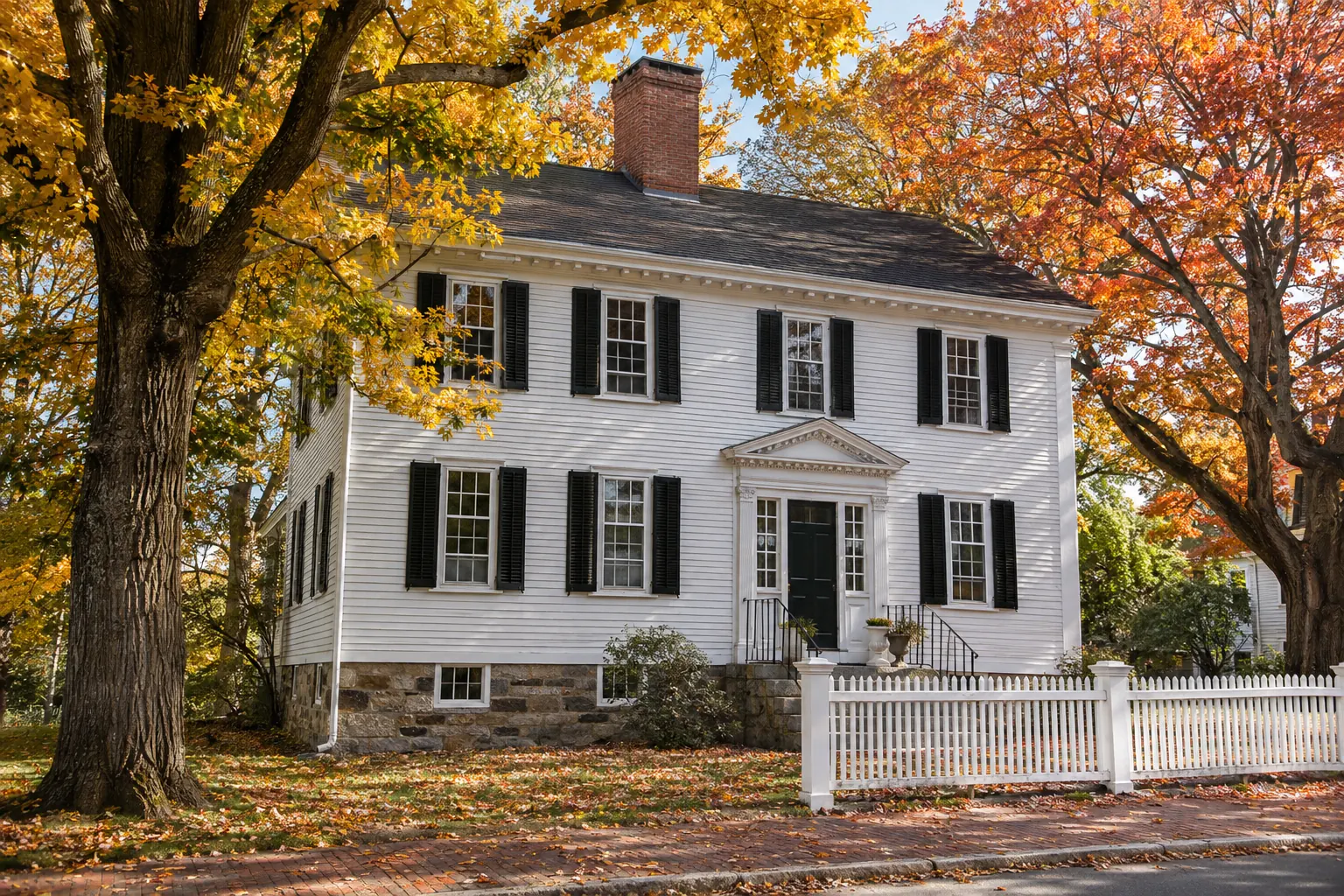
Old foundations close to the tide and South Mill Pond. Groundwater management comes first.
43.07° N · 70.76° W · Rockingham County, New Hampshire
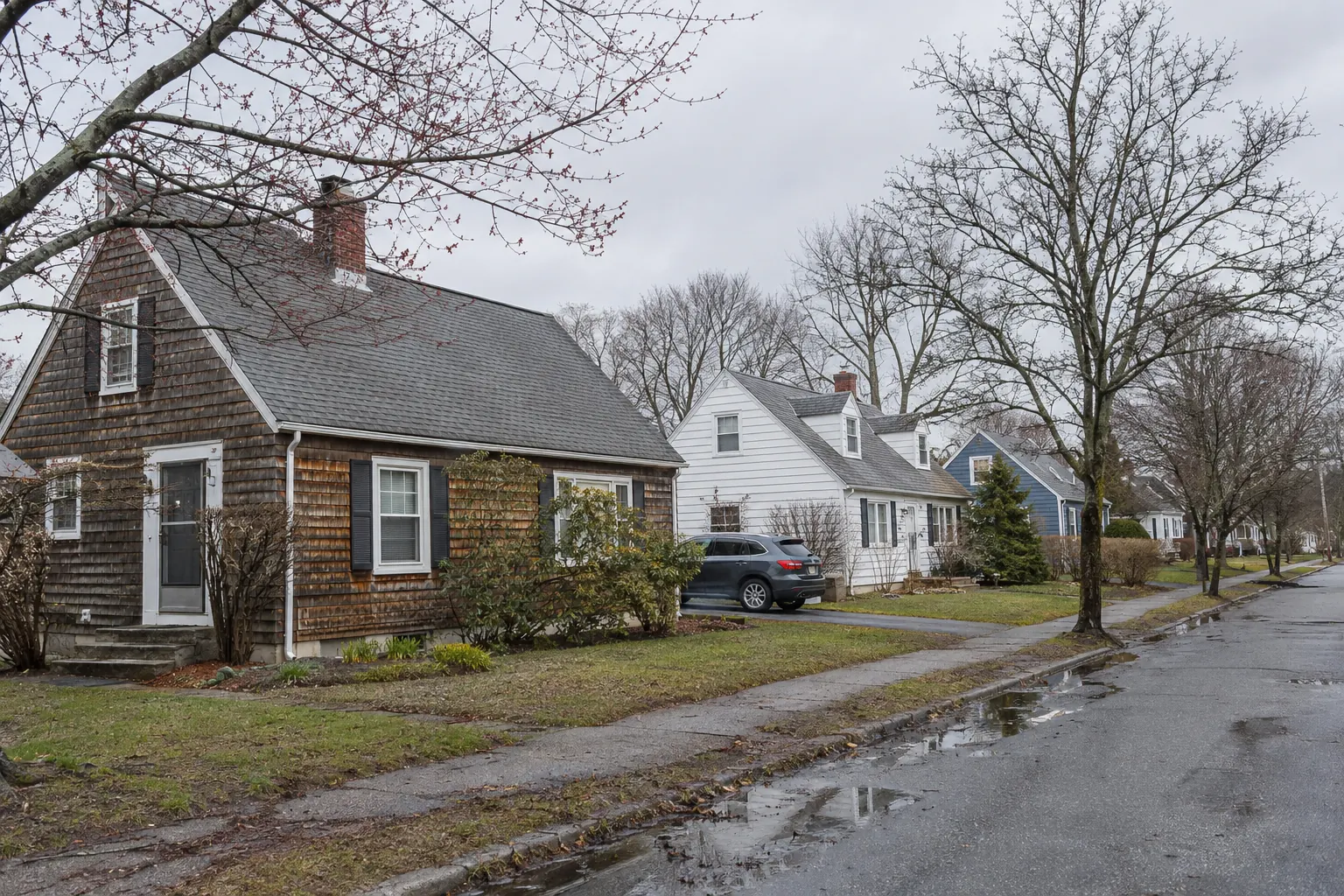
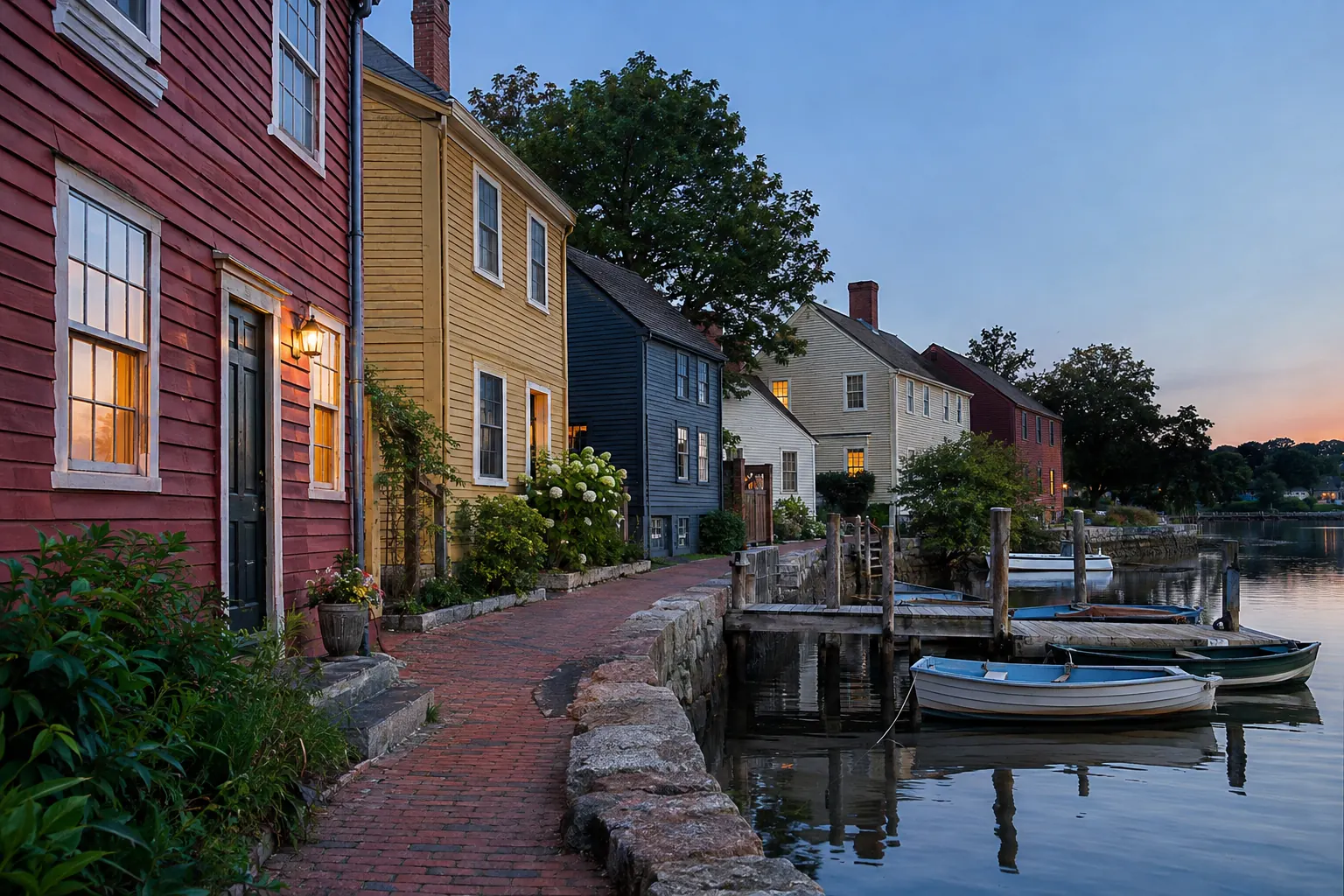
Portsmouth has some of the oldest houses in New England, and many of them sit only a few feet above the tide. We come down I-95 from Scarborough to keep those basements dry.
Colonial and Federal-era homes, plus WWI and postwar neighborhoods.
Low ground around the mill ponds and the Piscataqua.
Storm tides lift the water table in low areas.
Sized for groundwater, not just rain.
What we see in Portsmouth
Portsmouth basements combine two hard problems: very old foundations and very high water. Here's what we see.
In the South End and around the North and South Mill Ponds, many houses date to the 1700s and 1800s and sit only a few feet above high tide. Their brick and stone foundations let water through, and the ground around them stays wet much of the year.
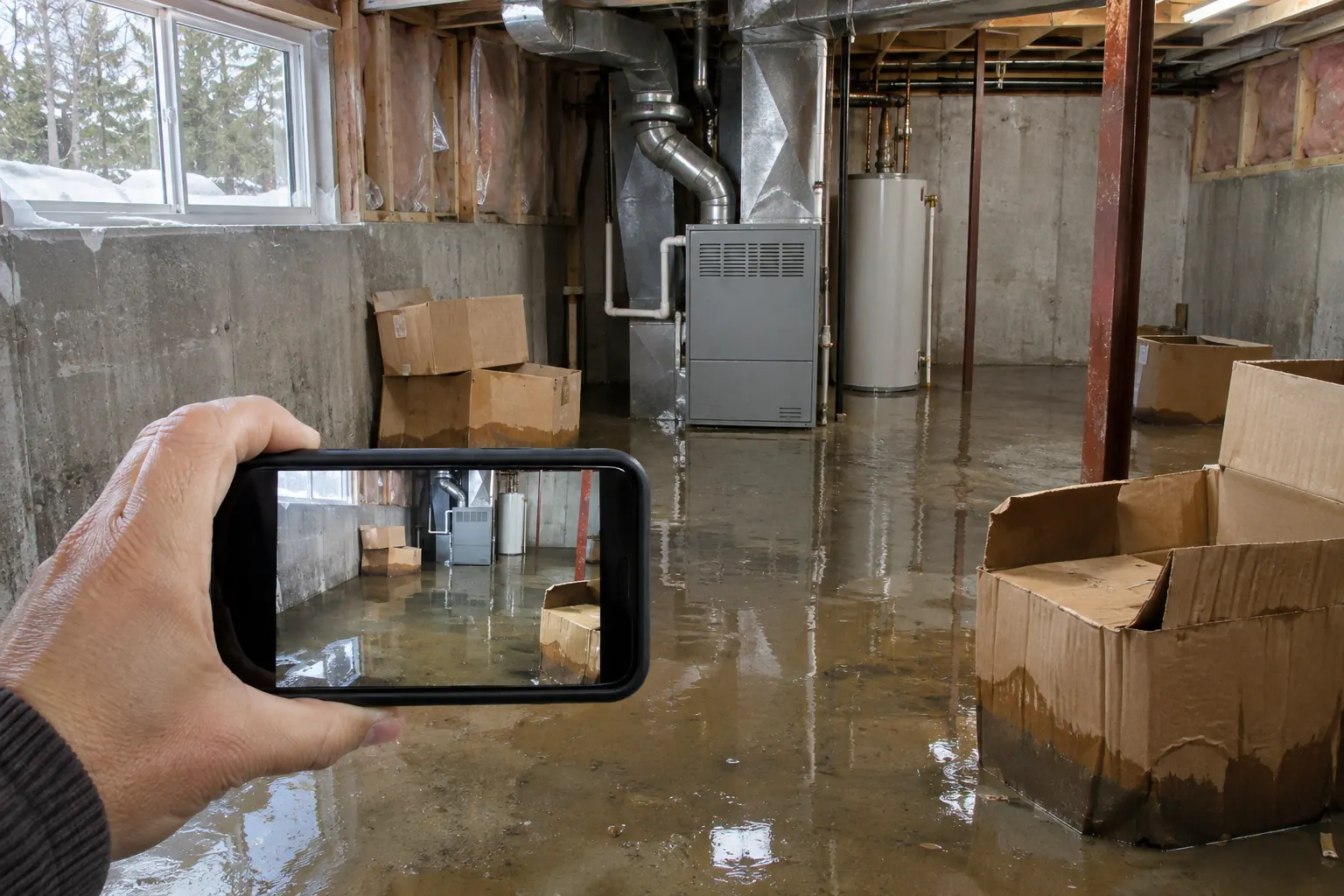
Tell-tale sign: Walls that are damp year-round and puddles that come and go with the weather.As sea level rises along the Seacoast, the groundwater under low neighborhoods rises with it. Seacoast planners and researchers have been studying it, and it's one reason basements that used to stay dry now get wet.
Tell-tale sign: Water seeping up through the floor, even without heavy rain.Atlantic Heights was built around 1918 to house shipyard workers, and other early-1900s neighborhoods followed. Houses from that era often have original drains that quit long ago, and basements that were never meant to be used.
Tell-tale sign: Damp walls and a wet floor edge after every long rain.Neighborhoods built after World War II, as Pease Air Force Base grew, have block and poured foundations that are now more than 60 years old, with cracks and tired footing drains.
Tell-tale sign: Cracks that weep after rain, and efflorescence on block walls.Neighborhood notes
From colonial streets by the water to postwar neighborhoods off Route 1, Portsmouth's basements vary a lot.
Old foundations close to the tide and South Mill Pond. Groundwater management comes first.
Brick and stone walls on narrow lots. We plan around tight access.
Century-old foundations near the Piscataqua with drains that stopped working long ago.
A mix of older homes on stone and block foundations.
Poured and block walls from the '50s and '60s, often with finished rooms worth protecting.
Every house is different. Tell us what's happening in your basement and we'll come take a look.
The fix, matched to the house
We don't sell one system to every house. After the estimate you'll know where the water is coming from and which of these your basement actually needs.
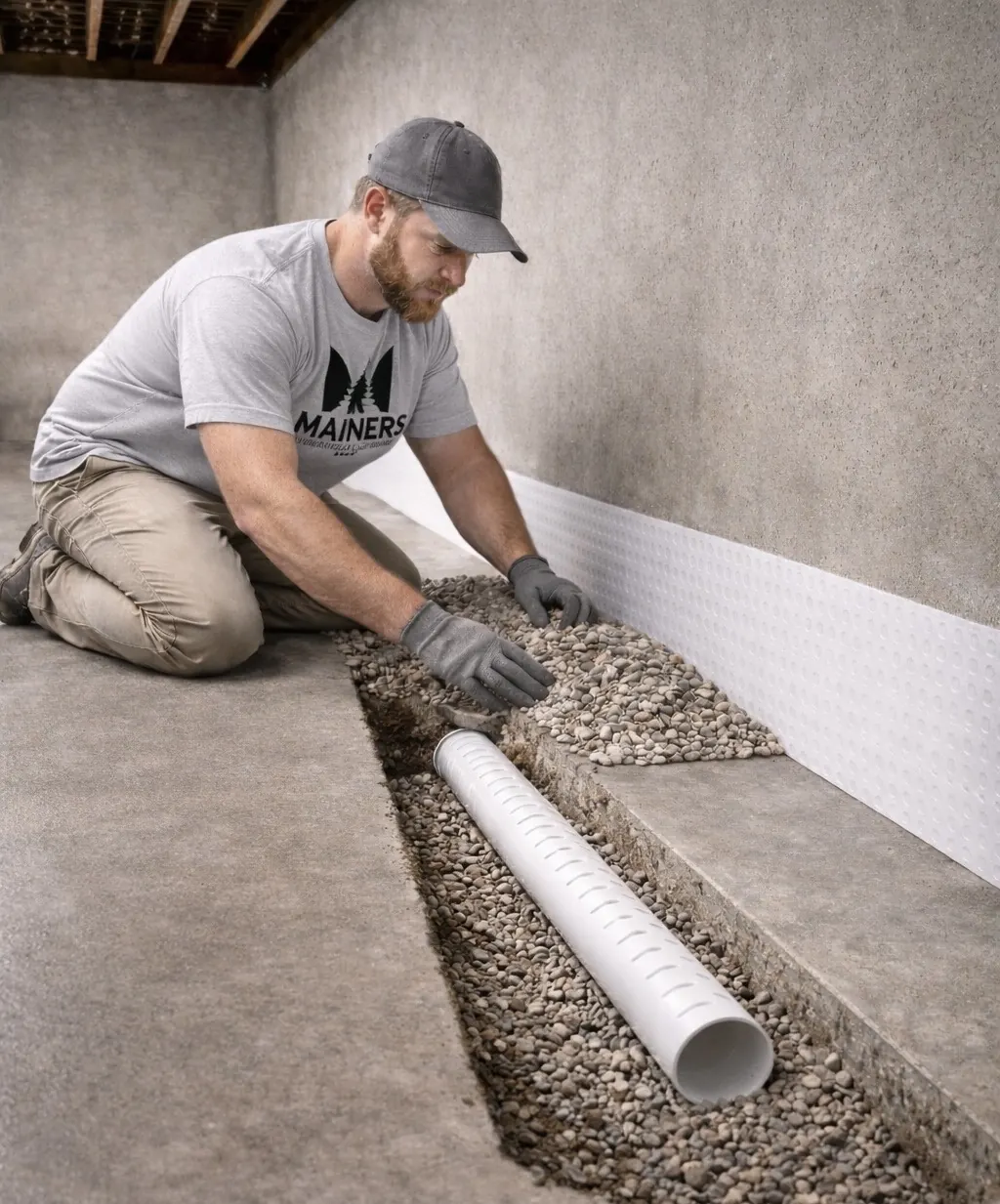
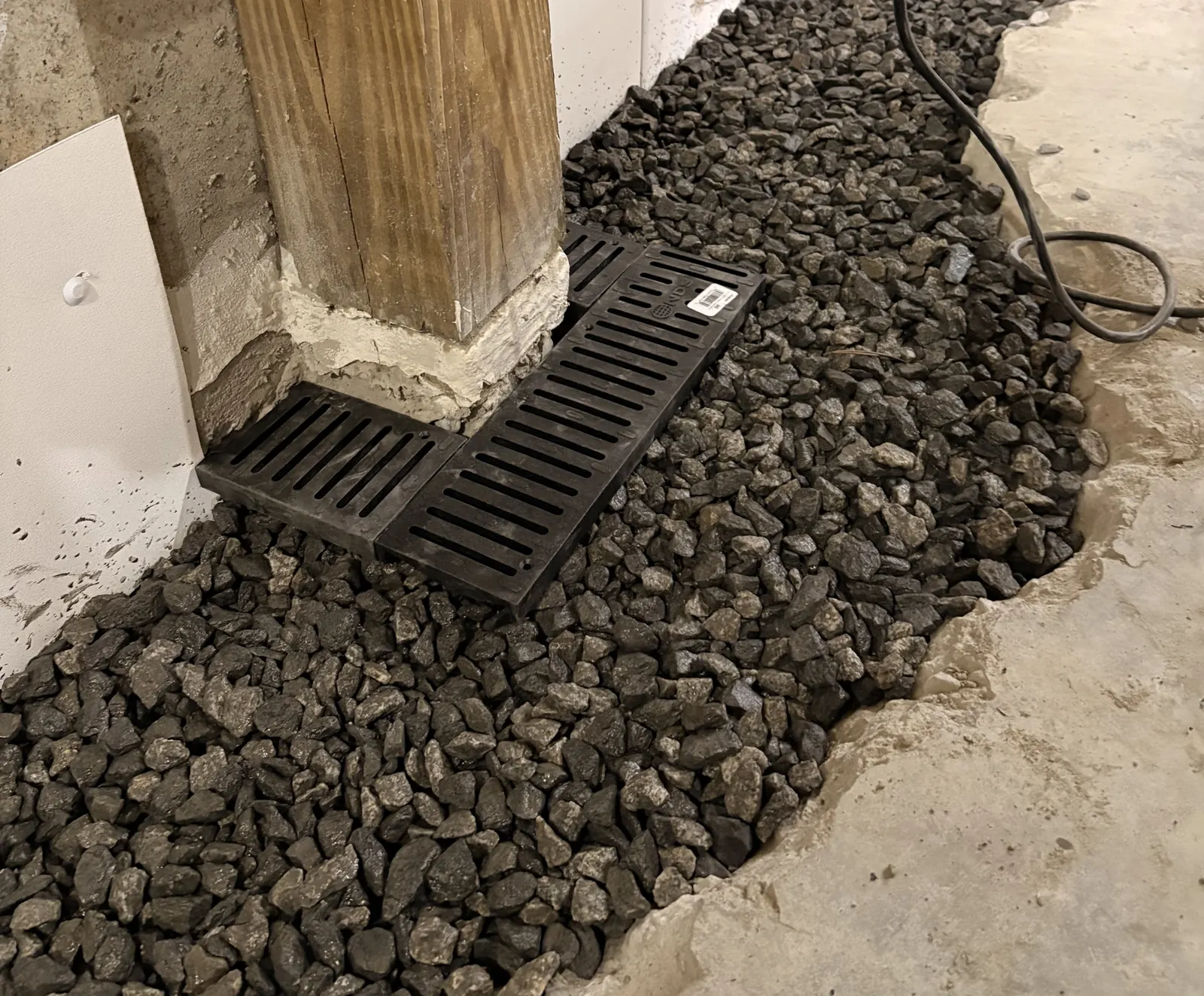
Interior systems that manage water coming through historic brick and stone without disturbing the walls.
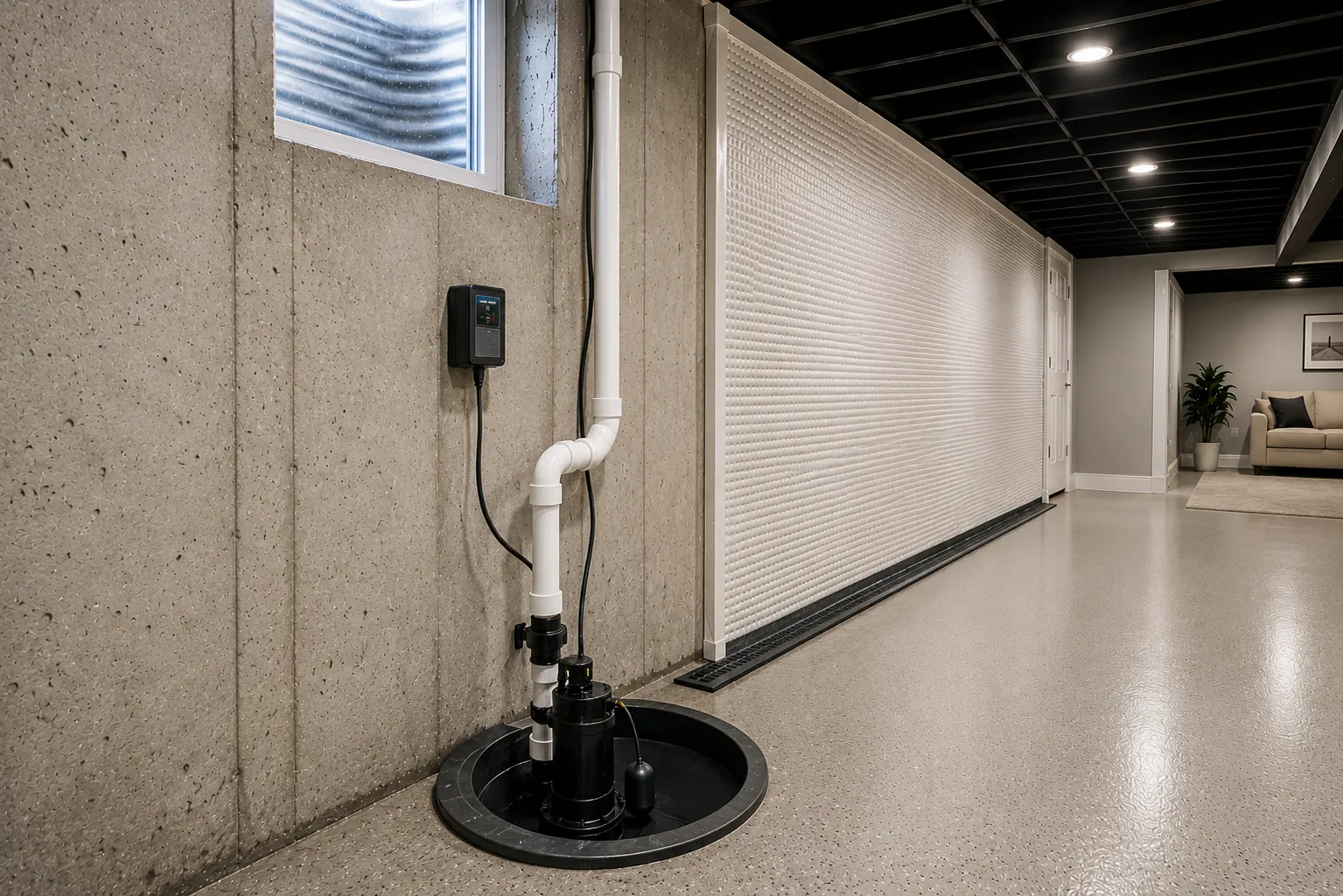
See how it worksA perimeter drain sized for high groundwater, not just rain, carried to a sealed sump.
See how it worksZoeller pumps with battery backups and alarms. On the Seacoast, the storm that raises the water often cuts the power too.
See how it works
Why Portsmouth homeowners call us
When you call Mainers Basement Company, you're talking to the people who will show up at your house. We're about 50 minutes down I-95 from Portsmouth.
Ben handles estimates and customer conversations himself.
Decades of experience with Maine and New Hampshire basements.
Backing on the systems we install.
Call or book an estimate any day of the week.
How it works
Call (207) 205-2250 or fill out the form below. We book estimates every day from 7 AM to 7 PM.
We walk the basement with you, find where the water is getting in, and explain your options in plain language.
Our crew installs the drainage, sump and backups, and walks you through the system when it's done.
Your system is covered by our limited lifetime warranty, and we're a phone call away if you ever need us.
Portsmouth FAQ
Call and ask. If we can answer it over the phone, we will.
(207) 205-2250Yes. Portsmouth is on our New Hampshire service list along with Rye, New Castle, Greenland and Newington. It's about 50 minutes from our shop in Scarborough, and estimates are free.
In low parts of Portsmouth, groundwater is higher than it used to be, and storms are dropping more rain at once. A basement that was fine for decades can start taking on water. We'll show you where it's getting in and what will stop it.
Yes. Interior drainage goes along the inside of the foundation at floor level, so the historic walls stay in place. If your home is in the historic district, exterior changes may need city review. Interior work usually doesn't, but check with the city if you're unsure.
In low areas near the water, we recommend one. The storms that push groundwater up are often the same ones that knock out power, and a pump without power can't help.
Ben or one of the crew will come out, show you where the water is getting in, and give you a written estimate.
Tell us what is happening in your basement, garage, or foundation and a Mainers expert will follow up.